
Liquid Diy Kits Coming Soon!!
✨ Coming Soon ✨
Something new has been quietly growing behind the scenes…
I’m so excited to finally share that DIY Keepsake Kits are coming soon to the shop 🤍
These kits are designed for those who want to be part of the creation process of preserving your own meaningful moments at home while still using the same thoughtfully curated materials I trust in my studio. While I have moved on from just resin based keepsakes, I feel more confident releasing part of my liquid method for diy use.
Each kit will include carefully selected supplies, step-by-step guidance, and everything needed to create a beautiful keepsake experience from start to finish.
A deeply personal memory, these kits are meant to make the process feel approachable, intentional, and special.
I will be offering two preservation kit options, each available for both jewelry and décor creations. One kit utilizes a liquid preservation method, while the other features a powdered system formulated with less invasive materials designed to protect and maintain the natural color of the milk.
I’ve been developing and refining these methods for several years, and I’m incredibly excited to finally share a preservation process that reflects the durability, clarity, and longevity I’ve always envisioned.
I can’t wait to show you more soon.
Stay tuned for sneak peeks, details, and launch information.✨
#breastmilkkit #breastmilkdiy #breastmilkjewelry #breastmilkjewelrydiy
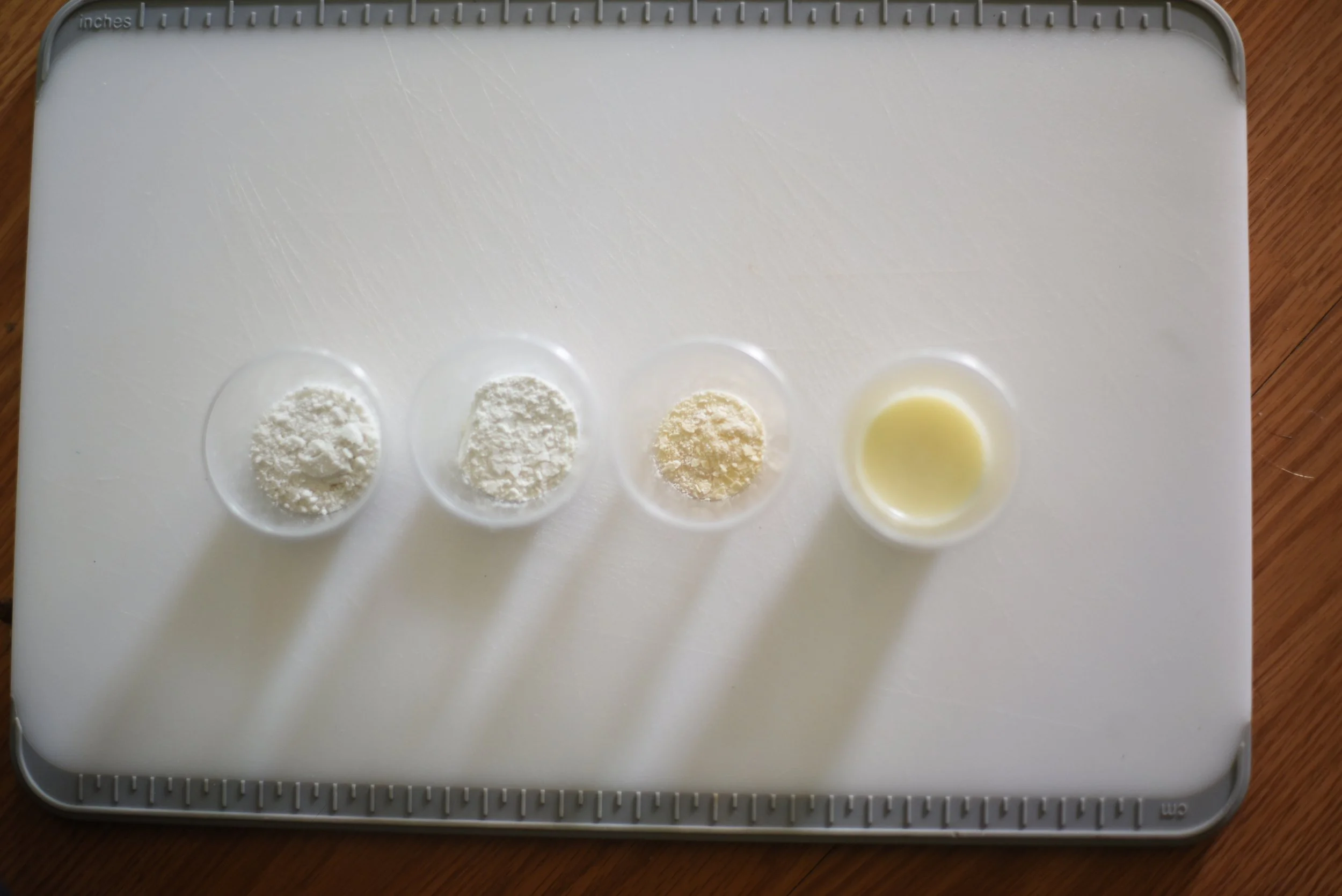
Comparing Breastmilk Preservations
Here is a good example of three breastmilk preservation method recipes. Images are taken in natural light with a DSLR on Manual mode.
Here is a good example of three breastmilk preservation method recipes. Images are taken in natural light with a DSLR on Manual mode.
In the cup, I have the same batch of breastmilk used for the experiment so you can compare the examples of methods WITH the actual milk. The top image is after it has dried (you can see it preserved on my other blogs or YouTube), and the bottom is after is has been crushed.
Here we have my method on the left. It doesn't make nearly the amount the other two do, but remember, it also doesn't have nearly the filler "substances." Also, take note, that my method is not meant to be dried out, I did so for the sake of keeping the experiment fair. (You can also see my method in the wet form as it is used via a previous post.)
The second, toward the bottom, is the CA method. You can read more about this method in previous posts.
Lastly, the famous MM breastmilk preservation powder recipe on the right. You can read more about this method in a previous post as well. - As you see, it retains the least amount of actual breastmilk color out of the methods shown. I still don't understand why this became the "go-to" recipe for breastmilk preservation. It CLEARLY has pigment in it. It made it big because the lady who started creating it didn’t tell the whole truth or the full result of the method, and didn’t care while the people in her group blindly followed.
This is why you should ask what method your DNA artist is using, and ask them to show you the method of preservation with water. This way, you can make an informed choice about your keepsake, asking this gives you a great idea as to how much your milk will actually be coloring your piece. While they don’t owe you their recipe, if they don’t want to tell you ANYTHING, that is a big red flag.
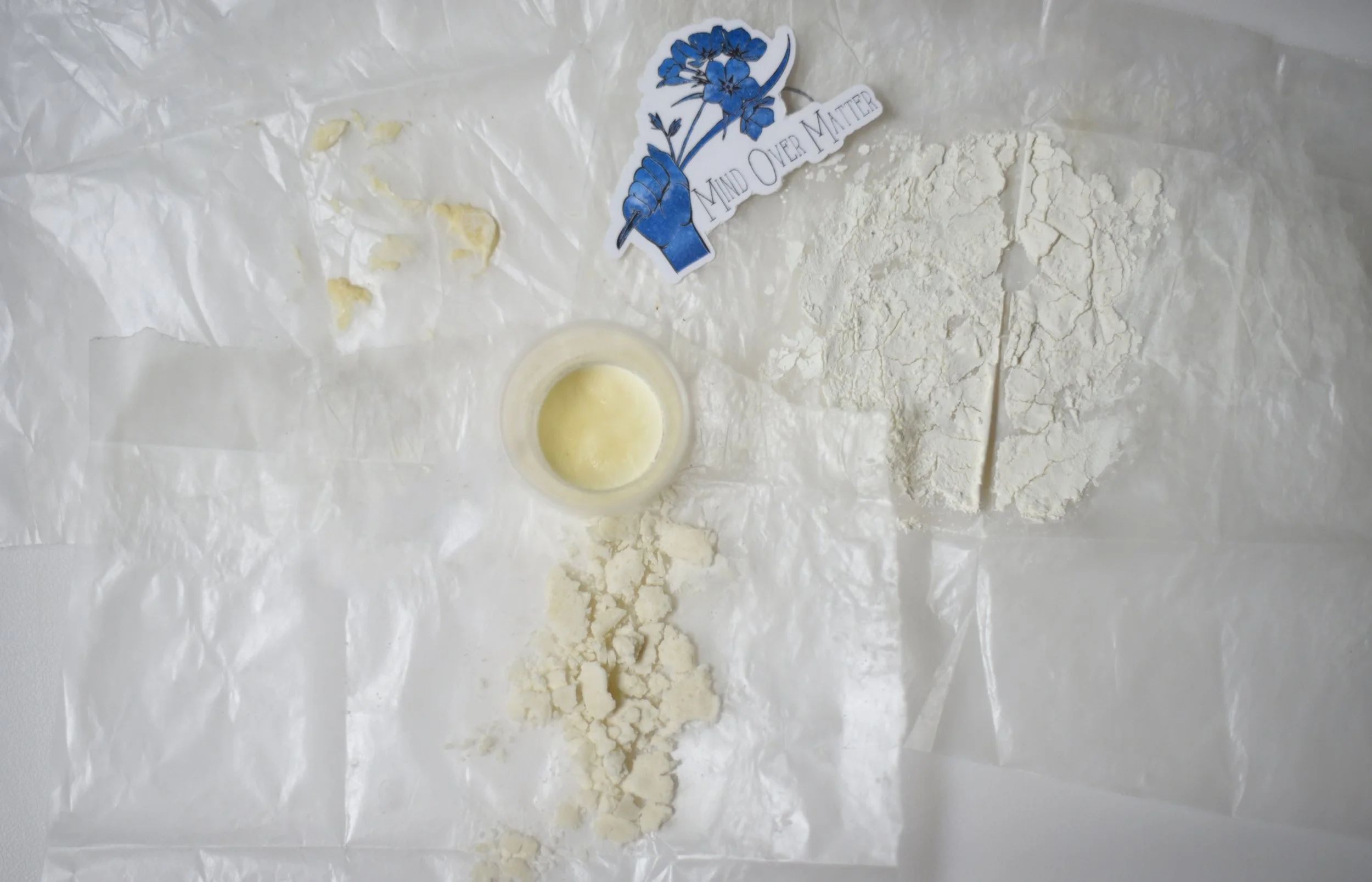
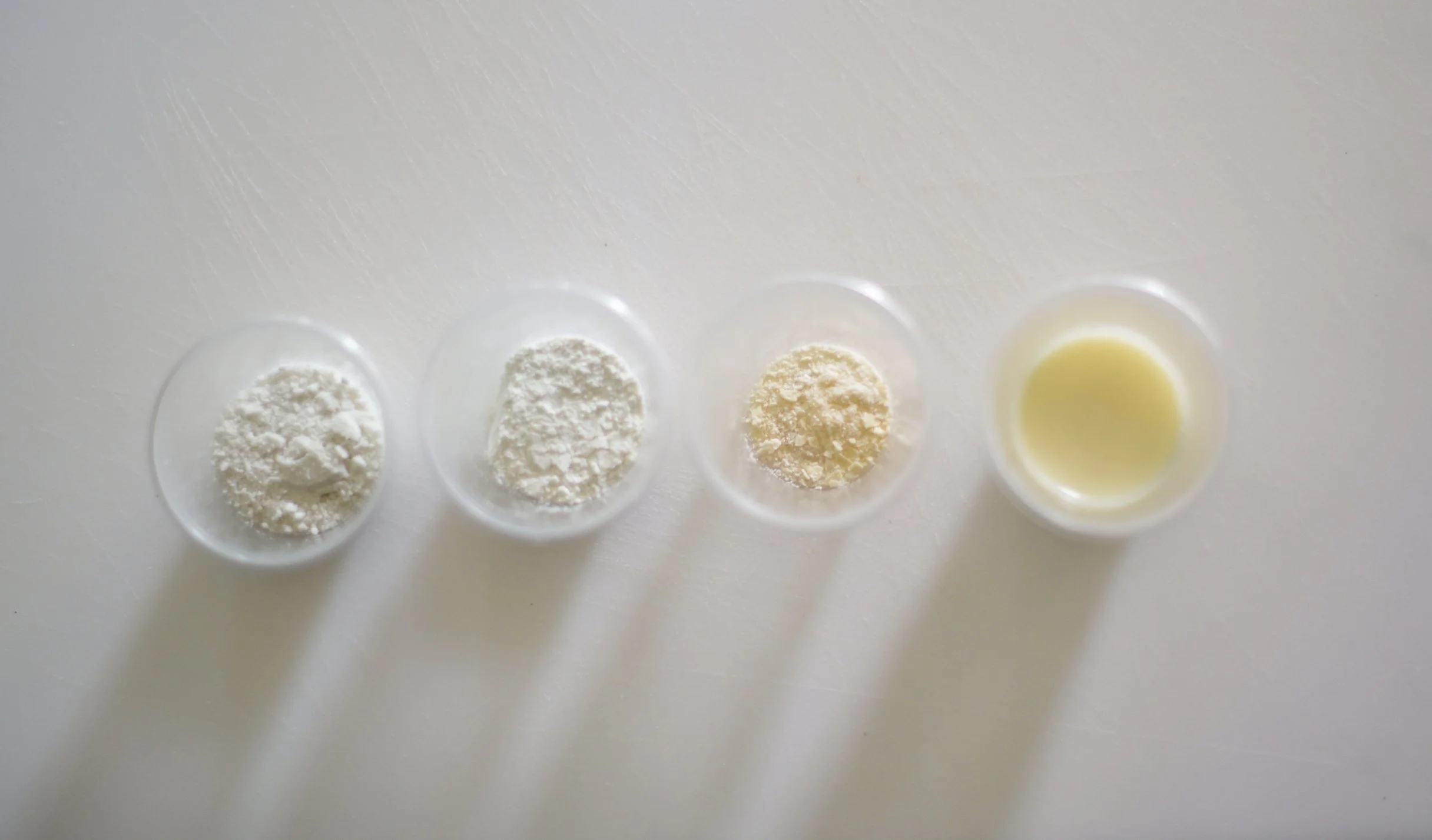
Famous powder/dust, the CA method, my method (dried), and the actual milk used for this experiment.
DIY Breastmilk Preservation Recipe
There are a few ways you can do this depending on how ethical and stable you want your preservation to be. Naturally, you are going to want the best of the best, let’s be real. Unfortunately, you aren’t going to find too many people giving that information out for stable, well-established formulas.
Some are more ethical than others, but if you are making it yourself you are well in the know of what you are putting into your piece.
This DIY method is easy and you can get most of the items quickly. Please note this method is NOT professional grade.
You can see the below method done on a previous blog post or my YouTube.
Resin
You will want 5 ml of Citric Acid
5ml of breastmilk
(titanium dioxide) if you choose
Mix together and evaporate off the liquid in a double boiler method until the mixture becomes a paste.
Flatten onto parchment paper to dry for 1 week. Silica gel sand helps this process as well.
Once dried mix with your resin and cast. - I recommend sealing your piece to give it extra protection.
The famous powder dust is made with various ingredients. Most are not public, but I speculate a lot of them are filled with titanium dioxide, plaster, citric acid, and other finely ground powders. Most of all, whatever they are using is highly pigmented. I’d assume things used in the powders are anything from safe products to dangerous chemicals. BE CAREFUL ordering, using, and creating these products.